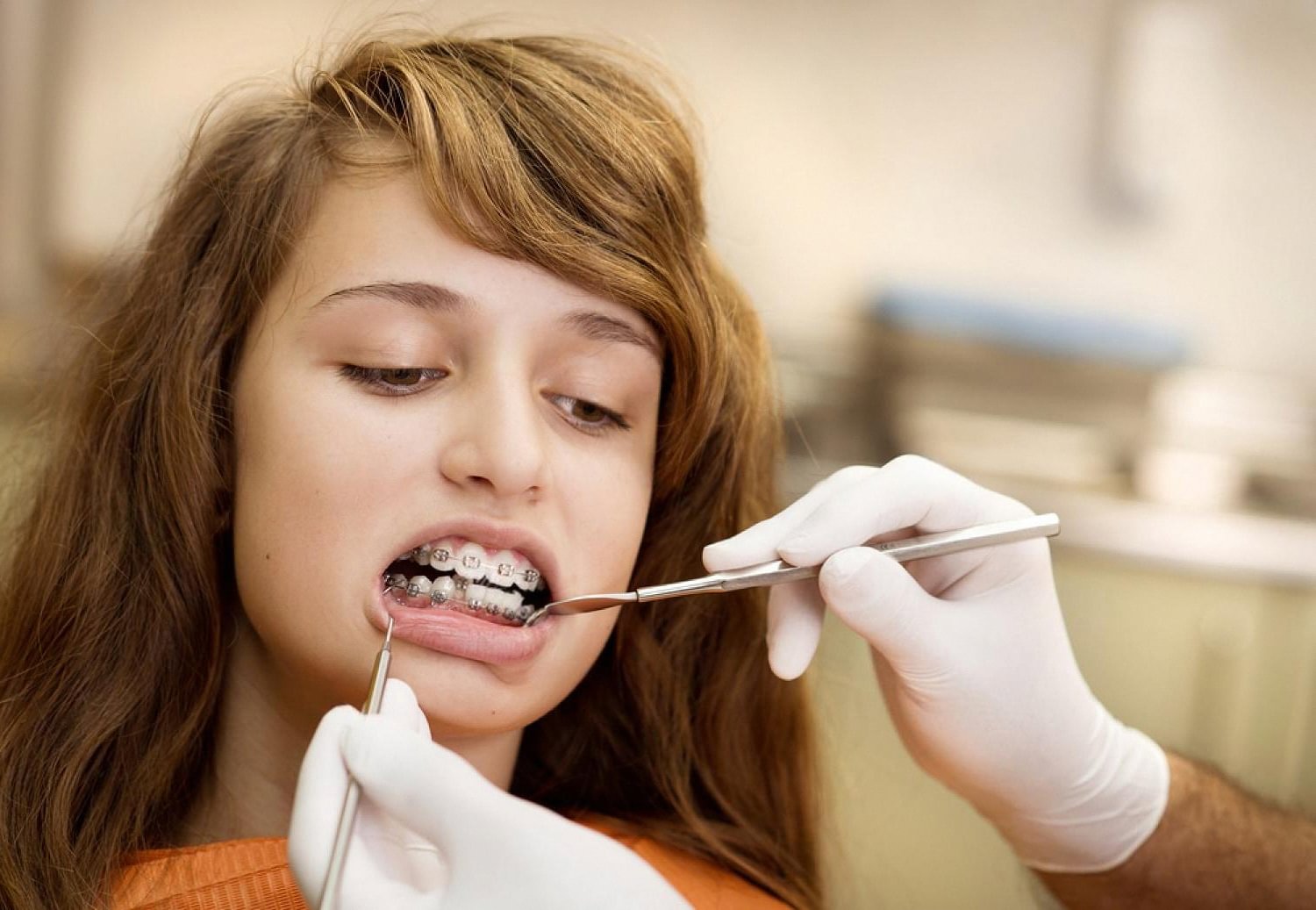
Case study, Abu Dhabi
One teen, a crooked bite, and a two-year plan
Layla was 14 when her mum brought her in. Her top teeth sat far ahead of the bottom ones, chewing hurt on one side, and she had started covering her mouth when she laughed. Her question was simple: can braces fix my jaw, or do I need surgery? This is what actually happened, in plain words, and what it means for anyone in the UAE asking the same thing.
Before and after: what changed
Top teeth stuck out about 8mm past the bottom ones. Chewing pressure sat on the back molars only. Jaw clicked when opening wide.
Front teeth meet properly. Chewing is even on both sides. No more jaw clicking. Smile is confident, no covering up.
What braces can and cannot do for your jaw
Here is the honest bit most clinics gloss over. Braces move teeth. They do not physically saw or reshape a jawbone. But teeth sit in the jaw, and where the teeth meet decides how the jaw closes. So when braces line the teeth up correctly, the bite improves, and the jaw stops working overtime to compensate. For a lot of people, that is enough to fix the pain, the clicking, and the crooked smile.
The American Association of Orthodontists groups bite issues into a few common types: overbite (top front teeth cover the bottom too much), underbite (bottom sits ahead of the top), crossbite (teeth meet on the wrong sides), and open bite (front teeth do not touch when the back ones do). Braces handle mild and moderate versions of all of these. Severe cases, where the jawbone itself is the wrong size or in the wrong position, may need braces plus jaw surgery, called orthognathic surgery.
In Layla’s case, the issue was skeletal-lite. Her jaw was fine, but her upper teeth had drifted forward from years of thumb-sucking as a child. That is a textbook braces job, no surgery needed.
Attempt one
What we tried first
Before committing to braces, we ran through the shorter options. Not everything worked. Being honest about the failures matters, because it saves you time and money.
- Clear aligners only. Layla wanted invisible trays. We tested a plan, but her overjet was too big for aligners alone to close cleanly. Trays are great for small tweaks, not for pulling front teeth back 6mm.
- Retainers with springs. A removable appliance to nudge the front teeth back. It helped a little in 3 months, but she kept forgetting to wear it at school. Compliance killed it.
- Wait and watch. Some clinics suggested giving it another year to see if growth would help. Her jaw growth was already mostly done at 14, so waiting would only make treatment longer later.
- Extraction talk. We considered pulling two upper premolars to create space. Reserved as a backup if the main plan stalled.
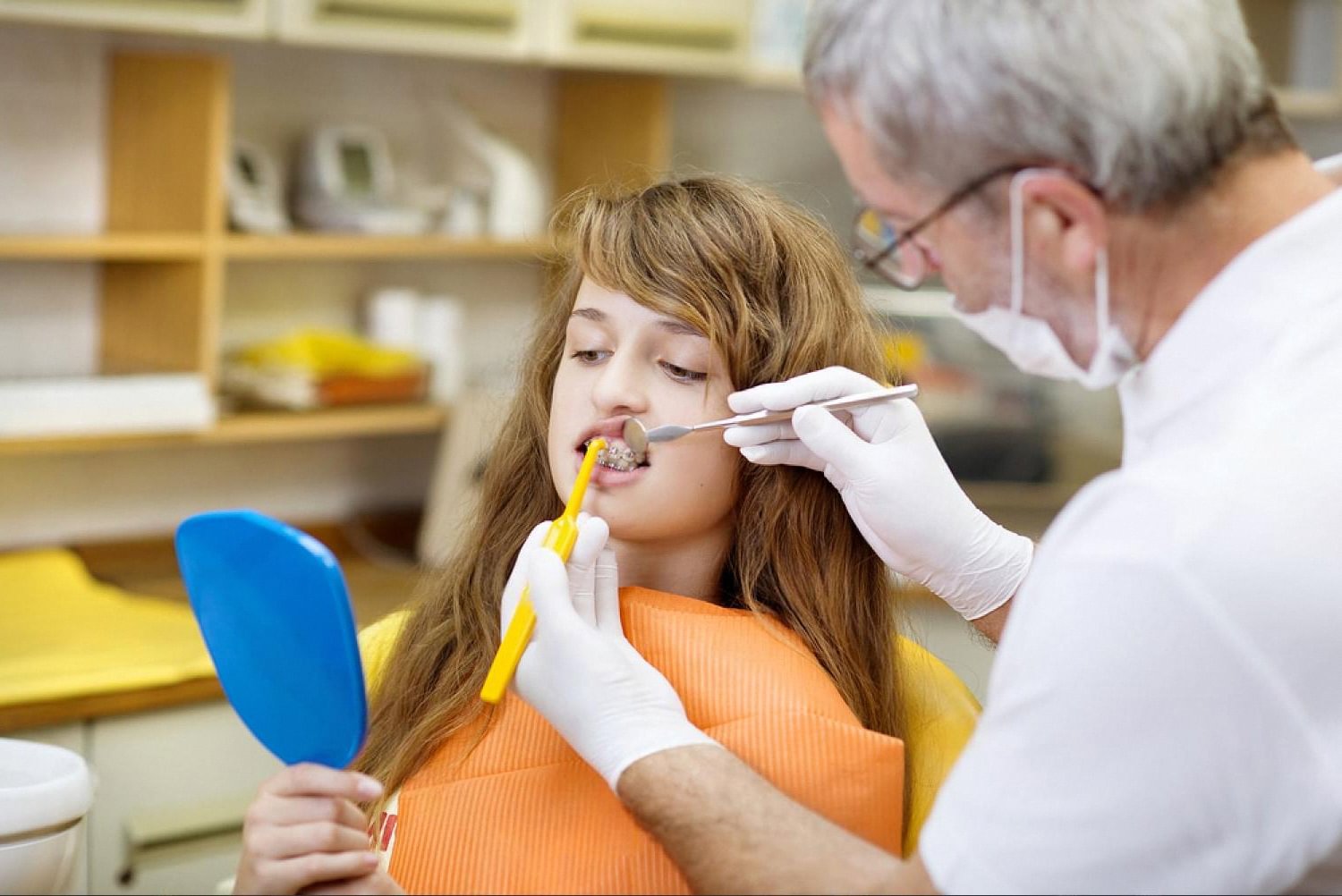
Attempt two
What actually worked
The plan that got Layla to her final result combined fixed braces with a small elastic system. Simple tools, used consistently. That is usually the story with orthodontics: patience beats gadgets.
- Fixed metal braces on both arches. They give the orthodontist full three-dimensional control of every tooth. No trays to lose, no daily decisions.
- Class II elastics. Small rubber bands hooked from upper front to lower back, worn 20 hours a day. This is what pulled the top teeth backward into a proper bite.
- Monthly adjustments. Wires were changed every 4 to 6 weeks. Each new wire was slightly stiffer, moving the teeth in stages.
- A bite ramp for the first 4 months. A tiny buildup behind the front teeth stopped the lower brackets from crashing into the uppers while things straightened out.
- Retainers for life, at night. Teeth drift back if you let them. Wearing a retainer while sleeping is the price of keeping the result.
Total time from bond-up to debond was 22 months. If you are exploring braces abu dhabi clinics for a similar case, ask them exactly which of these tools they plan to use, and why. A clear plan is a good sign.
“Most bite problems in the UAE that families call ‘jaw problems’ are really tooth position problems in disguise. Move the teeth to the right spots, and the jaw stops fighting itself. Real jaw surgery is rare, and we know within the first visit if you need it.”
When braces alone are not enough
To be fair, there is a group of patients braces cannot fully help. If the jawbone itself is too small, too large, or set at the wrong angle, no amount of tooth movement will fix the underlying skeleton. In those cases the plan is usually braces first to line up the teeth, then a jaw surgery done under general anaesthesia at a hospital, then a short finishing phase in braces. It sounds scary but the outcomes are excellent, and the NHS overview of orthognathic surgery is a fair starting point if you want the medical detail.
Signs your case might need surgery, not just braces: a chin that sits obviously ahead of or behind the rest of your face, difficulty closing your lips at rest, an open bite where the front teeth never touch even when you bite hard, or a family history of large jaw discrepancies. A good orthodontist will tell you this on visit one, not visit ten.
Frequently asked questions
Can adults get their bite fixed with braces, or is it only for kids?
Adults absolutely can. Teeth move at any age, they just move a little slower after 25 or so. The main difference is that adults no longer have jaw growth to work with, so if the underlying jaw shape is a problem, adults are more likely to need surgery alongside braces. For pure tooth-position bite issues, adult braces work very well.
How long does it take to fix a bite problem with braces in the UAE?
Most bite corrections take between 18 and 30 months of active treatment. Very mild cases can finish in under a year with clear aligners. Complex cases with extractions or elastics usually run closer to 2 years. After the braces come off, you wear a retainer at night, ideally for life, to hold the result.
Will fixing my bite change the shape of my face?
Sometimes, yes, in a subtle way. Pulling protruding front teeth backward can flatten the lip profile slightly and make the chin look more balanced. Correcting an underbite can bring the lower lip back. These are usually welcome changes, but a good orthodontist will show you a preview before you agree to the plan.
Do braces hurt more when they are also correcting the jaw bite?
The first week after fitting is sore, and each adjustment can leave your teeth tender for a day or two. Adding elastics for bite correction can add a bit of jaw soreness at the start because your jaw muscles are being asked to close in a new position. Paracetamol handles it. Within a month, most patients forget the elastics are there.
Can clear aligners like Invisalign fix bite problems too?
They can, for mild to moderate cases. Modern aligner systems handle overbites, mild crossbites, and small overjets well, often with the help of tiny tooth-coloured attachments and elastics. For severe jaw discrepancies or very large overjets, fixed metal or ceramic braces still give the orthodontist more control. Your clinician will tell you honestly which one suits your case.
What happens if I do not treat my bite problem at all?
Mild bite issues often cause no serious harm. Moderate to severe ones can wear down enamel unevenly, strain the jaw joint, cause headaches, make chewing tiring, and speed up gum recession on the teeth taking too much load. Cosmetics aside, fixing the bite is a long-term investment in keeping your natural teeth healthy into old age.
Is braces treatment covered by insurance in the UAE?
Coverage varies a lot between insurers and policies. Basic health insurance in the UAE usually does not cover orthodontic work, treating it as cosmetic. Some premium plans and employer packages include a partial orthodontic benefit, often capped. Ask your insurer for the exact wording, and ask the clinic if they offer instalment plans, most do.

I enjoy using my skills to contribute to the exciting technological advances that happen every day at Oswald Tech.